Mujahed Al-Saadi, Palestinian scribe of Jenin, was loosed in July after 22 months in administrative detention without charge or trial, he writes. Returning, he found the Jenin refugee camp emptied and wrecked, and says newsgathering in the northern West Bank has grown perilous, with checkpoints, phone inspections, and journalistic equipment often destroyed, confiscated, or stolen.
Twenty-two months in the occupation's jails, and when Mujahed Al-Saadi walked out in July 2026, the town he came home to was a wreck. Jenin had been knocked flat, and the newspaper trade he lived by had been knocked sideways. He says it was as if an earthquake had struck the whole district.
Al-Saadi was born and bred in the Jenin refugee camp. A veteran newshawk, he has covered the occupied West Bank since 2012, with Jenin and the country round about as his beat. He writes for Drop Site. In September 2024 Israeli authorities hauled him out of his own home and threw him into a cell. He sat there nearly two years in administrative detention, which means no charge and no trial. Just the key turned.
HOME TO A TOWN HE COULD HARDLY KNOW
While he was behind bars, the Israeli military loosed a great operation on the Jenin, Tulkarem and Nur Shams refugee camps in the northern part of the West Bank. More than 30,000 people were driven from their homes. No single uprooting of Palestinians in that territory has been bigger since 1967.
Al-Saadi missed every hour of it. He sat locked up and in the dark while the thing happened, and then it all landed on him at once, the whole ruin in one blow.
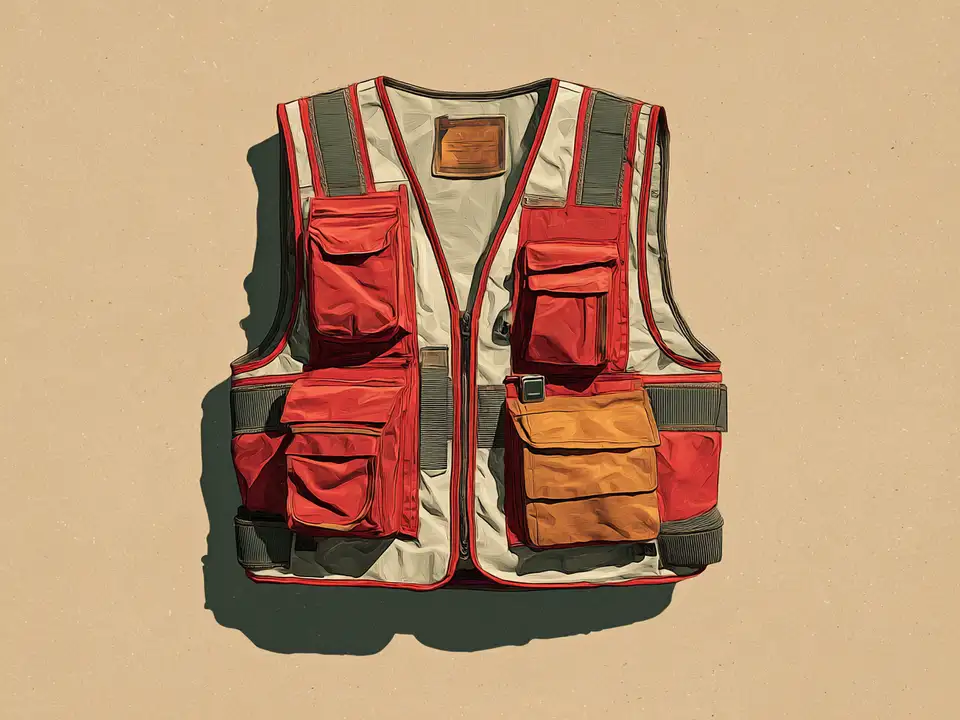
His first day back in the field, he says, was overwhelming. The news came in a flood and was devilish hard to check. The places the occupation had hit were harder still to reach. Over more than a decade he has worked for a string of local and foreign papers and wire outfits, and he calls these past few months the toughest he has known. He pulled on his press vest for the first time in nearly two years, after missing, or even knowing nothing of, one of the cruelest and most fateful stretches since the occupation of Palestine began.
His verdict is flat. Newspapering in the West Bank today, and above all up north in towns like Jenin, ranks among the most dangerous trades on earth.
CHECKPOINTS, CAMPS AND A SEARCHING EYE
Jenin governorate, where he mostly works, is now chopped into pieces. New checkpoints cut it up, and new settlements and outposts have gone in. Some 14 settlements and Israeli military camps now squat in the towns around Jenin city. Getting to the scene of a happening is