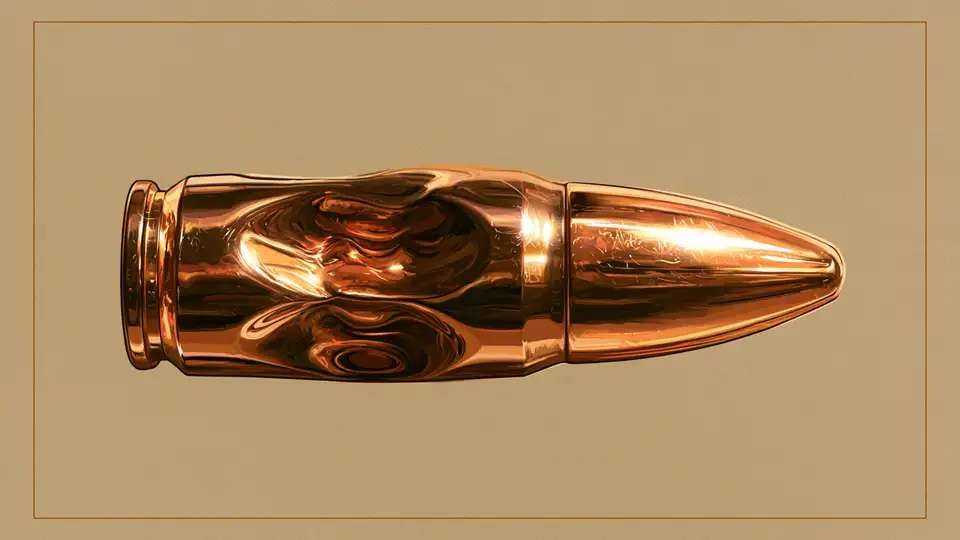
In the Prairieland trial, Benjamin Song was convicted of attempted murder for a shot that struck an officer. His attorney Phillip Hayes argued the bullet ricocheted off the ground, striking the officer's vest, which stopped it. The defense said evidence of bullet strikes emerged only during trial, limiting their case. Song received 100 years in prison; an appeal is expected.
The curtain fell upon the Prairieland trial — that singular proceeding in which nine Texas protesters stood accused of crimes most grave, among them the furnishing of material support to terrorists — and in its final hour, counsel for the activist Benjamin Song unloosed an argument novel in the extreme, one which, had it found favor, might have scattered the federal government's case to the four winds.
Song stood charged with attempted murder for allegedly firing a pistol at the first officer of the law to arrive upon the scene of a noise demonstration outside the U.S. Immigration and Customs Enforcement's Prairieland Detention Center in Alvarado on the Fourth of July, 1925 — that is to say, July 4, 2025.
The defense — a coterie of more than a dozen attorneys representing clients of varying degrees of involvement in the protest — had rested its cause without calling a single expert witness, so confident were they in the weakness of the government's showing.
"Attempted murder requires that you intend to kill," declared Phillip Hayes, Song's attorney, a lanky and soft-spoken practitioner of the criminal bar, addressing the jury on March 11. "And if the government can't prove that intent, that's a not guilty — period."
In closing argument, Hayes raised what he styled a grievous flaw in the government's tale: that Song never aimed his weapon at the officer at all. Relying upon evidence introduced by the prosecution itself — a photograph of the bullet, witness testimony, and moving pictures of the incident — Hayes contended his client never intended to shoot Alvarado Police Department Lt. Thomas Gross. Rather, said he, Song fired at the ground, and the bullet, glancing off a hard surface, ricocheted to strike the officer just below the neck — which would account for the plumes of dust plainly visible in the film. The lone photograph of the bullet, bent sorely and missing several fragments, was offered in corroboration.
But the jury would not bite. Instead of acquittal came conviction, and a sentence of one hundred years in prison.
Why did the ricochet theory receive so meager an airing? The federal government, it appears, prevented its full development. Key details of the shooting and the officer's conduct were revealed only at trial itself, and prosecution motions — blessed by favorable rulings of the judge, an appointee of President Trump — made it exceedingly difficult for Song's